Osteoporosis in Older Adults: What Families Need to Know
As we get older, maintaining strong and healthy bones becomes increasingly important. Osteoporosis is a condition that can make bones weaker and more fragile, increasing the risk of fractures from falls or even everyday movements.
For families supporting an older loved one, understanding osteoporosis and the challenges it may bring can help you provide the right support while encouraging them to remain safe, independent and confident at home.
What Is Osteoporosis?
Osteoporosis is a condition that causes bones to become weaker over time. This means that a fall, knock or sudden movement may be more likely to result in a fracture.
The condition can affect anyone, but it is more common in older adults. In many cases, people may not realise they have osteoporosis until they experience a fracture, which is why awareness and appropriate support can be so important.
How Can Osteoporosis Affect Older Adults?
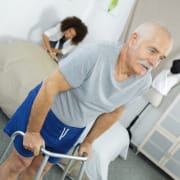
Living with osteoporosis can make everyday activities more challenging, particularly if someone has concerns about falling or has previously experienced a fracture.
Some older adults may begin to feel less confident when walking around their home, going outside or carrying out daily tasks. This can sometimes lead to them becoming less active or avoiding activities they previously enjoyed.
A fracture can also have a significant impact on independence, potentially making tasks such as washing, dressing, preparing meals and moving around the home more difficult.
How Families Can Help
There are several practical ways families can support an older loved one living with osteoporosis.
Help Create a Safer Home Environment
Reducing potential trip and fall hazards can help make the home a safer place. Families may wish to look out for:
- Loose rugs or trailing wires
- Clutter on walkways and stairs
- Poor lighting
- Slippery floors or surfaces
- Items that are difficult to reach
- A lack of suitable handrails or support where needed
Small changes around the home can make a big difference to someone’s confidence and safety.
Encourage Independence and Movement
Remaining active can be an important part of maintaining overall health and wellbeing. Families can encourage their loved one to continue with suitable activities and routines that help them feel confident and independent.
However, it is important that any exercise or activity is appropriate for the individual and their needs. If you are unsure, it is always best to seek advice from a relevant healthcare professional.
Support a Healthy Lifestyle
Eating a balanced diet and maintaining healthy habits can support overall wellbeing. Families can help by ensuring their loved one has regular, nutritious meals and access to the support they need with everyday routines.
If someone is struggling with shopping, meal preparation or remembering to eat and drink regularly, additional support at home may help.
How Home Care Can Help
For older adults living with osteoporosis, having the right support in place can provide reassurance while helping them continue living independently in the comfort of their own home.
Home care can provide personalised support with everyday activities, depending on an individual’s needs. This may include:
- Assistance with personal care and dressing
- Support with meal preparation
- Help maintaining a safe and comfortable home environment
- Assistance with daily routines
- Companionship and emotional support
- Support with getting ready for appointments or outings
- Providing reassurance to family members
The level of support can be tailored to the individual, whether they need occasional assistance or more regular care.
Supporting Confidence and Independence
A diagnosis of osteoporosis does not mean someone has to give up their independence or the things they enjoy. With the right support, planning and care, many older adults can continue living safely and confidently at home.
For families, knowing that a loved one has additional support can also provide valuable peace of mind. Home care can work alongside family support, helping to ensure that everyday needs are met while allowing loved ones to focus on spending quality time together.
We’re Here to Help
At Heritage Healthcare, we understand that every individual is different. Our care is tailored around the person, their routines and the level of support they need.
If you are supporting an older loved one who is living with osteoporosis and would like to learn more about how home care could help, our team is here to talk through your needs and explore the support available.
Contact Heritage Healthcare today to find out how personalised care and support at home could help your loved one continue living safely, confidently and independently.