5 Ways to Stay Independent at Home for Longer
Let’s face it—there’s no place quite like home. It’s where routines feel natural, memories live, and comfort comes easy. But as life changes, staying independent at home can sometimes feel a bit more challenging than it used to.
The good news? With a few smart adjustments and support from trusted UK services like the NHS and local councils, staying independent at home for longer is not only possible—it’s entirely achievable.
You don’t need a complete lifestyle overhaul either. In fact, it’s often the small, practical changes that make the biggest difference.
So, let’s dive into five realistic and effective ways to help you stay safe, confident, and independent in your own home.
Create a Safe Living Environment
If you’re serious about staying independent at home for longer, safety should be your starting point.
Many accidents at home—especially falls—can be prevented with simple adjustments. According to the NHS, falls are one of the most common causes of injury, particularly among older adults. But here’s the thing: most of these risks are avoidable.
Easy Ways to Improve Home Safety:
- Remove loose rugs, clutter, and trailing wires
- Install grab rails in bathrooms and near stairs
- Improve lighting in darker areas like hallways and entrances
- Use non-slip mats in the kitchen and bathroom
- Keep frequently used items within easy reach
You might also be eligible for a free home safety assessment through your local council. These assessments can recommend adaptations like handrails or stairlifts—sometimes even funded.
👉 Learn more from the NHS: Preventing falls | NHS inform
A safer home doesn’t just reduce risk—it gives you the confidence to move around freely without worry.
Establish a Consistent Routine
Ever noticed how much easier things feel when you’ve got a routine? That’s no coincidence.
A consistent daily routine can help you stay organised, reduce stress, and manage essential tasks like meals, medication, and personal care. It’s like giving your day a natural flow.
Why a Routine Matters:
- Supports mental wellbeing and reduces anxiety
- Helps with memory and focus
- Keeps daily tasks manageable and predictable
- Makes it easier to notice changes in your health
Simple Routine Tips:
- Wake up and go to bed at the same time each day
- Plan meals at regular intervals
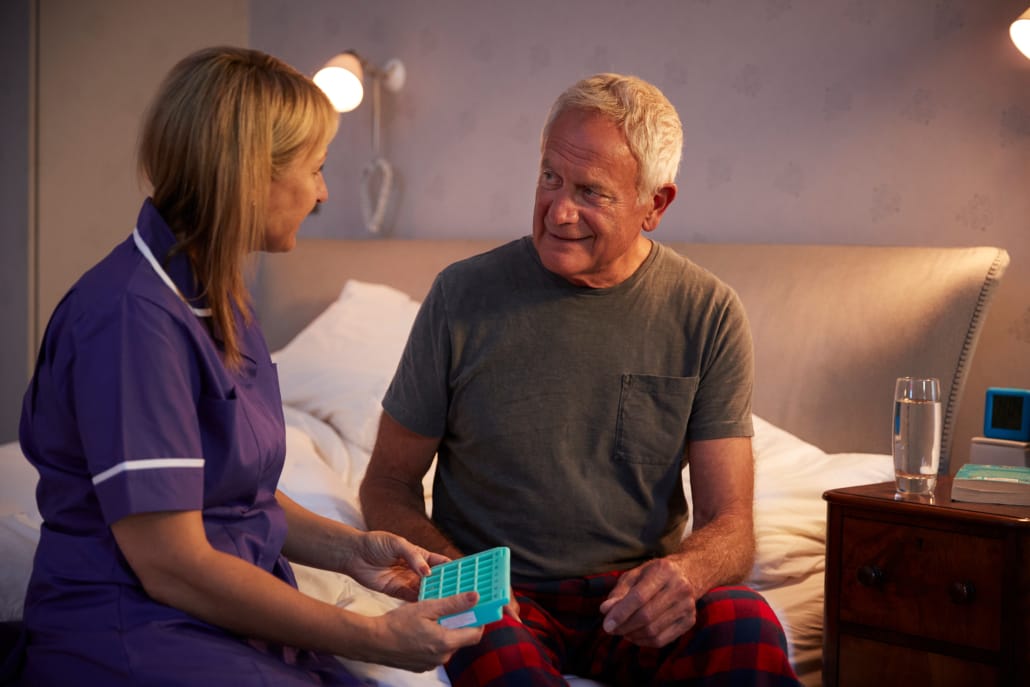
- Use alarms or pill organisers for medication
- Schedule time for movement, hobbies, and relaxation
The NHS also highlights the importance of routine for maintaining both physical and mental health—especially as we age.
👉 Explore more: https://www.nhs.uk/every-mind-matters/
A steady routine can quietly support your independence without you even realising it.
Stay Physically Active
Here’s the truth—keeping your body moving is one of the best things you can do to stay independent at home for longer.
You don’t need intense workouts or fancy equipment. Gentle, regular movement can help maintain strength, balance, and flexibility—all essential for everyday tasks like walking, cooking, or even getting out of a chair.
Easy Ways to Stay Active:
- Go for a daily walk (even short ones count!)
- Try chair exercises if mobility is limited
- Do light stretching to stay flexible
- Join a local exercise class or follow online NHS workouts
The NHS recommends at least 150 minutes of moderate activity per week, but even small amounts can make a difference.
👉 Get started here: https://www.nhs.uk/live-well/exercise/
Regular activity doesn’t just support your body—it boosts your mood and energy too. Win-win.
Keep Socially Connected
Independence doesn’t mean cutting yourself off from others. In fact, staying socially connected is key to maintaining your overall wellbeing.
Loneliness can affect both mental and physical health, but staying in touch with others—even in simple ways—can make a huge difference.
Ways to Stay Connected in the UK:
- Regular phone or video calls with family and friends
- Join local community groups or Age UK activities
- Attend social clubs, classes, or coffee mornings
- Volunteer in your local area
Organisations like Age UK offer fantastic opportunities to stay engaged and connected.
👉 Visit: https://www.ageuk.org.uk/
A quick chat, a shared laugh, or even a weekly meetup can lift your mood more than you’d expect.
Accept Support When Needed
Let’s clear this up—accepting help doesn’t mean losing independence. In fact, it’s often what helps you keep it.
The right level of support can make daily life easier, safer, and far more enjoyable. Whether it’s occasional help or regular assistance, support is there to enable your independence—not take it away.
Support Options in the UK:
- Help from family or friends
- NHS services for health-related support
- Local council care services (including home carers)
- Meal delivery or transport services
You may also be eligible for a care needs assessment through your local council, which can identify what support you’re entitled to.
👉 Find out more: https://www.nhs.uk/conditions/social-care-and-support-guide/
Think of support as part of your independence toolkit—it’s there when you need it.
Frequently Asked Questions (FAQs)
- How can I stay independent at home for longer in the UK?
Start by making your home safer, maintaining a daily routine, staying active, and using NHS or local council support services when needed.
- Does the NHS provide support for staying at home?
Yes, the NHS offers guidance, rehabilitation services, and works alongside local councils to support independent living.
- Can I get help from my local council?
Absolutely. You can request a care needs assessment, which may lead to support services or home adaptations.
- What are the biggest risks to independence at home?
Falls, isolation, poor health, and lack of support are common risks—but they can often be managed with early action.
- Is it free to get home adaptations in the UK?
Some adaptations may be funded through your local council or grants like the Disabled Facilities Grant, depending on eligibility.
Final Thoughts
Staying independent at home for longer in the UK isn’t about doing everything on your own—it’s about making smart choices, using available support, and creating an environment that works for you.
With help from trusted resources like the NHS, local councils, and community organisations, you’ve got everything you need to maintain your independence, confidence, and quality of life.
So, take that first step—maybe it’s clearing a walkway, going for a short walk, or reaching out to someone today.
Because at the end of the day, independence isn’t just about where you live—it’s about how you live.


