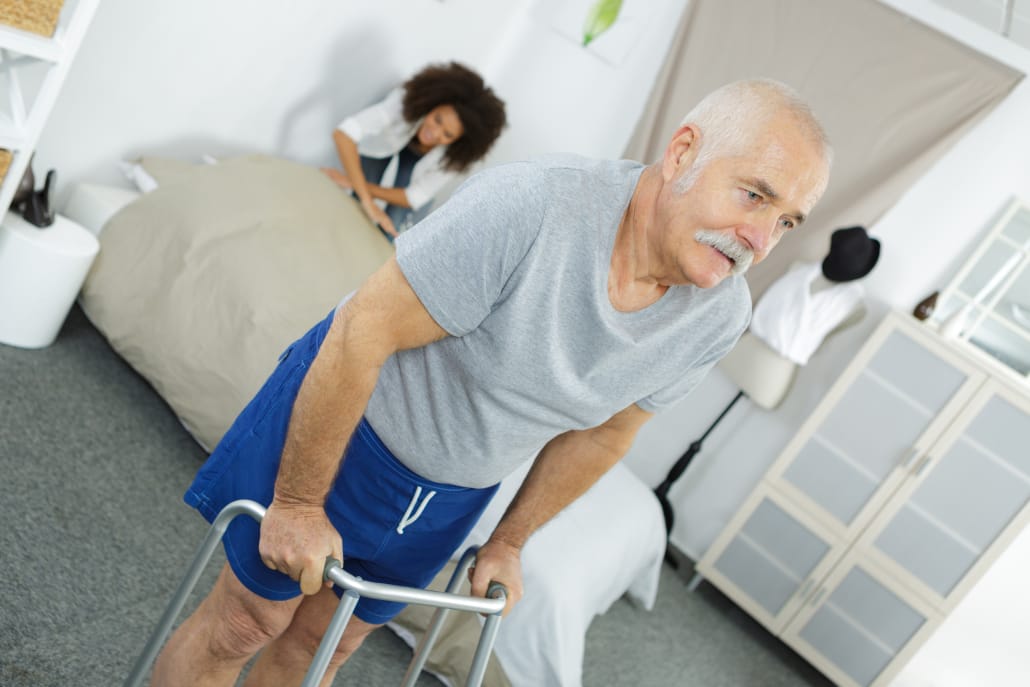
Fall Prevention: Why Older Adults Fall and How to reduce the Risks
As we get older, the risk of falling naturally increases. While falls can happen to anyone, they are not an inevitable part of ageing. In many cases, simple changes to the home, lifestyle, and daily routine can significantly reduces the risk of falls and help older adults continue living safely and independently
At Heritage Healthcare, we understand how important it is for people to remain confident and independent in their own homes. Preventing falls isn’t just about avoiding injures but protecting independence, maintaining wellbeing and giving families peace of mind.
Why falls are more common in older adults
As we grow older, our bodies naturally change. Muscle strength, balance, vision an reaction times can all decline, making falls more likely. Certain medical conditions and medications can also add to the risk of falls.
Common factors that contribute to falls:
- Reduced muscle strength
- Poor balance or coordination
- Changes in eyesight or hearing
- Side effect of medication
- Poor lighting around the home
- Loose rugs or cables
- Unsuitable footwear
Understanding the risks is the first step towards preventing them.
Many of these risks can be managed through lifestyle changes, regular exercise, and professional support where needed.
Why fall prevention matters
A fall can have a significant impact on an older person’s confidence as well as their physical health. Even if no serious injury occurs, many people become worried about falling again, which can lead to reduced activity and increased isolation.
Prevention falls can help:
- Maintain independence
- Reduce the risk of injury
- Improve confidence
- Support mobility
- Promote physical and mental wellbeing
- Help people remain safely at home for longer
Ways to reduce the risk of falls
Keep walkways clear
Removing unnecessary obstacles is one of the easiest ways to reduce the risk of falls. This use of removing clutter from walkways, secure or remove loose rugs, tidy electrical cables away from walking areas and keeping frequently used items within easy reach. These small can make a big difference and make moving around the home easier and safer.
Improve lighting
Poor lighting makes it harder to spot tripping hazards. Consider using brighter bulbs, motion-sensor lights, night lights in bedrooms, hallways, bathrooms and keeping light switches easily accessible. The use of good lighting is particularly important during darker months such as autumn and winter.
Wear safe footwear
The use of slipper and shoes should provide good support and have non-slip soles. To reduce the risk of falls avoid walking in just socks, using loose-fitting slippers, high heels and worn-out footwear with little grip. Using supportive footwear will improve stability in both indoors and outdoors.
Stay Physically Active
Doing regular movements help maintain strength, flexibility and balance. Actives to consider are walking, chair exercises, gentle stretching, balance exercises and gardening.
Have regular eye and hearing tests
Good vision and hearing play important roles in maintaining balance. Having regular checkups can identify changes early and ensure glasses or hearing aids remain suitable.
What to do if a loved one falls
When someone experiences a fall it’s important to stay calm which will then allow you to check for any injuries before helping them move but if they appear to be seriously injured or cannot get up safely – call 999. If they are uninjured and able to move, help them get comfortable and monitor them closely. If the falls become more frequent inform their GP but also consider informing their GP even if the falls are frequent. Discussing any falls with a healthcare professional is important as it can be used to identify any underlying causes.
How home care can help reduce the risk of falls
Professional home care can pay an important role in helping older adults remain safe while maintaining their independence.
Care professionals can provide support by:
- Assisting with safe mobility around the home
- Identifying any potential trip hazards
- Encourage regular movements
- Providing medication reminders
- Preparing nutritious meals
The use of regular visits can also identify any changes in mobility or confidence early, allowing additional support to be arranged before any problems become worse or serious.
Helping You Stay Safe at Home
Falls are not an inevitable part of ageing. By making simple adjustments to the home, staying active, and seeking support when needed, many falls can be prevented.
At Heritage Healthcare, we’re committed to helping older adults remain safe, independent, and confident in the comfort of their own homes. Whether you need occasional support or more regular care, our compassionate Care Professionals are here to help you or your loved one continue living well at home.
If you’d like to find out more about how home care can support independence and reduce the risk of falls, our friendly team is always happy to help.


