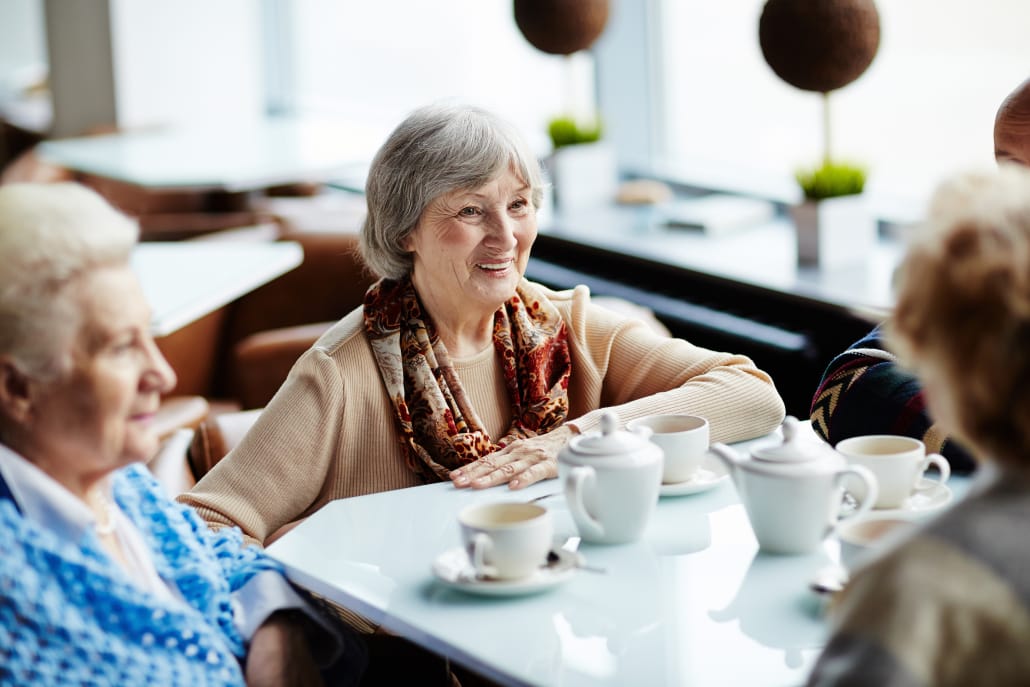
How to Stay Socially Connected Later in Life
As we grow older, staying socially connected becomes more important than ever. Meaningful conversations, regular interaction and a sense of community all play a vital role in maintaining emotional wellbeing, confidence and overall quality of life.
However, later life can sometimes bring changes that make social connection more difficult. Retirement, mobility challenges, health conditions or the loss of loved ones can all contribute to feelings of loneliness or isolation.
At Heritage Healthcare, we understand that care is about far more than physical support. Emotional wellbeing matters too, and helping people stay connected to others can make a significant difference to happiness and independence.
Why Social Connection Matters
Human connection is essential at every stage of life. Research continues to show that regular social interaction can positively impact both mental and physical health.
Staying socially active may help:
- Improve mood and confidence
- Reduce feelings of loneliness
- Support memory and cognitive wellbeing
- Encourage physical activity
- Reduce stress and anxiety
- Create a stronger sense of purpose and routine
Even small interactions throughout the week can have a positive impact.
Simple Ways to Stay Connected
Social connection does not always have to involve large events or busy schedules. Often, the most meaningful moments come from simple, regular interactions.
Keep in Touch With Family and Friends
Phone calls, video chats and regular visits can help maintain strong relationships. Technology has made it easier than ever for families to stay connected, even when they live far apart.
Scheduling regular catch-ups can also create something positive to look forward to each week.
Join Local Community Activities
Community groups can provide opportunities to meet others with similar interests. This could include:
- Coffee mornings
- Craft groups
- Gardening clubs
- Walking groups
- Faith groups
- Exercise classes
- Local events and community centres
Many communities across the UK now offer activities specifically designed for older adults.
Explore New Hobbies
Trying something new can help build confidence and encourage social interaction. Activities such as painting, baking, reading groups or music classes can introduce people to new friendships and routines.
Learning new skills can also help keep the mind active and engaged.
Stay Active
Gentle physical activity often creates natural opportunities for social connection. Even a short daily walk or attending a local exercise session can help individuals feel more connected to their community.
Remaining active can also support mobility, independence and mental wellbeing.
The Role of Companionship Care
For some individuals, companionship care can provide valuable emotional and social support.
Companionship care focuses on helping people stay engaged, connected and confident in everyday life. This may include:
- Friendly conversation
- Support attending appointments or activities
- Accompaniment on walks or outings
- Help with hobbies and interests
- Assistance with shopping or errands
- Emotional reassurance and regular interaction
Sometimes, simply having someone there to talk to can make a meaningful difference to a person’s day.
Supporting Independence and Confidence
Loneliness can sometimes lead people to withdraw from activities they once enjoyed. The right support can help rebuild confidence and encourage individuals to stay involved in their local community.
At Heritage Healthcare, our care is centred around the individual. We believe maintaining social connection is an important part of living well and staying independent later in life.
Final Thoughts
Growing older should never mean becoming isolated. Staying socially connected can support emotional wellbeing, confidence and quality of life in powerful ways.
Whether through family visits, local activities, hobbies or companionship care, small moments of connection can make a lasting difference.
At Heritage Healthcare, we are proud to provide compassionate, person-centred support that helps individuals continue enjoying the things that matter most.


